

Property financing shaped around the deal.
Explore hard-money, bridge, fix-and-flip, and construction financing. The right path depends on the property, project, requested financing, timeline, and intended exit.
Four core financing solutions
Dynamic Bridge Lending provides hard-money, bridge, fix-and-flip, and construction financing, with supporting paths for specific property transitions.

Acquire
A financing review for a property purchase — from a time-sensitive acquisition to the start of a renovation or stabilisation plan.
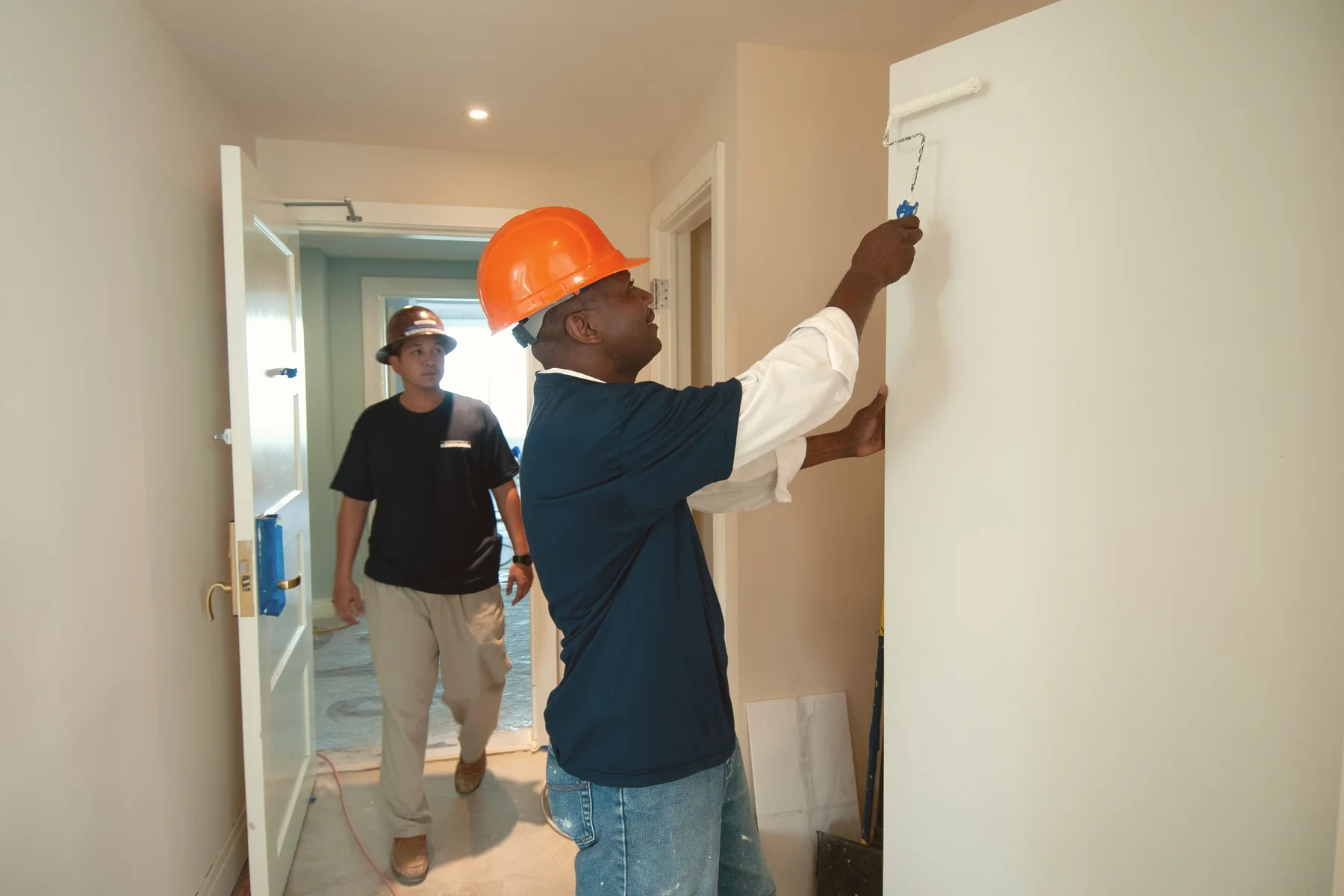
Improve
Financing built around the renovation itself — the scope of work, the budget, and the plan to reach a stronger property.

Transition
Financing for the period after acquisition or renovation — accessing equity or moving toward a longer-term financing exit.
What may shape the financing path
- Property type and condition
- Purchase price or current value
- Requested loan amount
- Available cash or equity
- Renovation or project budget
- Borrower or sponsor experience
- Requested closing timeline
- Intended exit strategy
What an initial review may involve
- Property address
- Purchase agreement, when applicable
- Estimated current value
- Project scope
- Renovation budget
- Requested financing
- Borrower or entity information
- Experience summary
- Existing payoff
- Exit plan
Do not send Social Security numbers, account passwords, card information, or complete sensitive financial documents through the general deal inquiry.
Short-term financing should be reviewed with the intended exit in mind.
- Sale of the property
- Refinance after renovation
- Refinance after rental stabilisation
- Transition into another eligible financing programme
- Another documented liquidity event
The intended exit must be reasonable, supported, and reviewed. Listing an exit strategy does not guarantee acceptance or financing availability.
General process
- Step 1
Share the property and transaction
Provide the property details and the situation behind the request.
- Step 2
Explain the financing need
Share the requested loan amount and relevant deal figures.
- Step 3
Describe the project or transition
Explain the scope, timeline, and plan for the property.
- Step 4
Identify the intended exit
Explain how the financing is expected to be repaid.
- Step 5
Receive the next information requirements
Learn what additional information or documentation may be needed.
Frequently asked questions
Start with the property, the financing need, and the general goal — the closest solution page can be identified from there, or discussed directly if none fits cleanly.
No. Submit the property and situation first; the closest available path can be discussed as part of the review.
Property address, type, condition, current value, and any purchase agreement are useful starting points.
Experience is one of several factors that may be considered as part of a full review, alongside the property and financing request.
The intended exit is a core part of the review — a reasonable, supported repayment plan matters as much as the property and financing request.
Yes. A borrowing entity may be involved depending on the deal.
No. Submitting an inquiry does not constitute approval, a commitment to lend, or a guarantee that financing is available.
No. The general deal inquiry does not perform a credit pull.